Cut Frac Fueling Costs With Gravity Fuel Systems

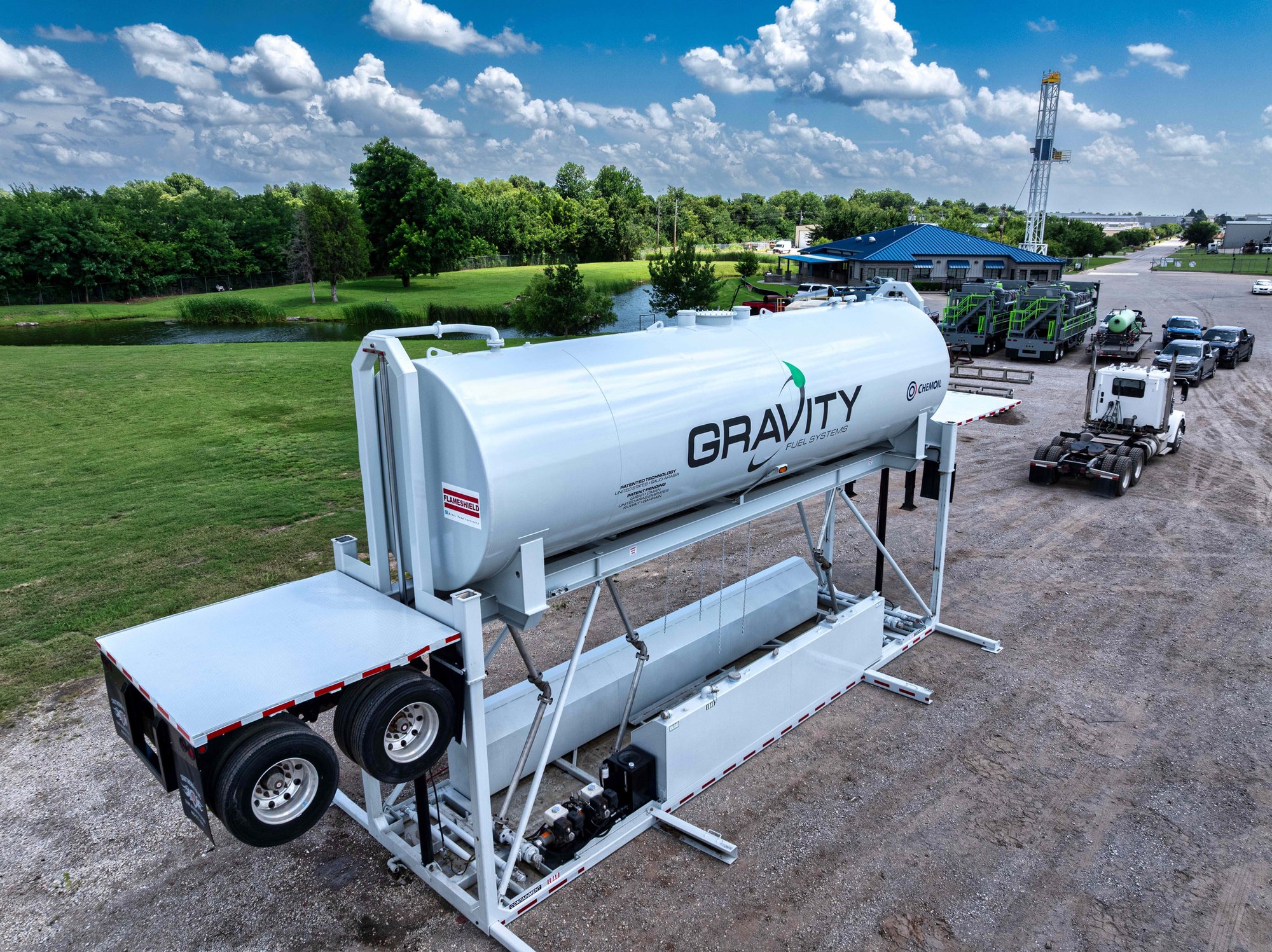
Gravity Fuel Systems delivers automated, gravity-fed fuel delivery for frac operations without pumps, motors, or a dedicated on-site fueling technician.

Built for operators who need lower AFS costs, reliable fuel delivery, and fewer service interruptions, Gravity helps simplify fueling across single-well pads, multi-well operations, and Simulfrac jobs.

$30K

Avg. Monthly Savings Per Pad

~7 PSI

Fuel Delivery

Continuous

Auto-Fill Rate

6+

Years Proven SOLO Operation

From

$950/Day With SOLO


Resized Efficiency

Reduce Fuel System Costs Without Compromising Operations

Conventional AFS systems often depend on higher equipment costs, technician-supported operation, and more moving parts. Gravity’s SOLO model helps remove the largest recurring cost from the equation: the dedicated on-site technician.

With a lower day rate and a simpler system architecture, Gravity helps operators reduce monthly fueling costs while maintaining consistent fuel delivery across demanding frac environments.

Key Benefits

  • Reduce AFS day-rate exposure
  • Remove dedicated on-site technician requirements
  • Lower monthly pad-level fueling costs
  • Support margin improvement across active frac operations
  • Simplify fueling without sacrificing field performance


Gravity-Unit_resources

Why Operators Switch To Gravity

Operators choose Gravity because it helps reduce AFS cost and operational complexity at the same time.

Lower Cost
Gravity SOLO can save approximately $30,000 per month per pad by reducing technician-dependent fueling cost.

Simpler Operation
Gravity uses a patented gravity-fed delivery valve instead of relying on pumps, motors, or complex fuel-moving electronics.

Field-Proven Reliability
Gravity is built for demanding frac environments where fueling interruptions can create downtime, cost exposure, and unnecessary operational drag.


Physics 2

Automated Fuel Delivery With No Pumps Or Motors

Gravity uses a patented gravity-fed delivery valve that responds to tank pressure and helps maintain fuel levels automatically. Because the system does not rely on pumps, motors, or complex electronics for fuel movement, operators gain a simpler and more reliable way to keep frac equipment fueled.

Key Benefits

  • Patented gravity-fed delivery valve
  • Continuous auto-fill rate
  • No pumps or motors required for fuel delivery
  • Fewer failure points
  • Lower maintenance burden


Volta

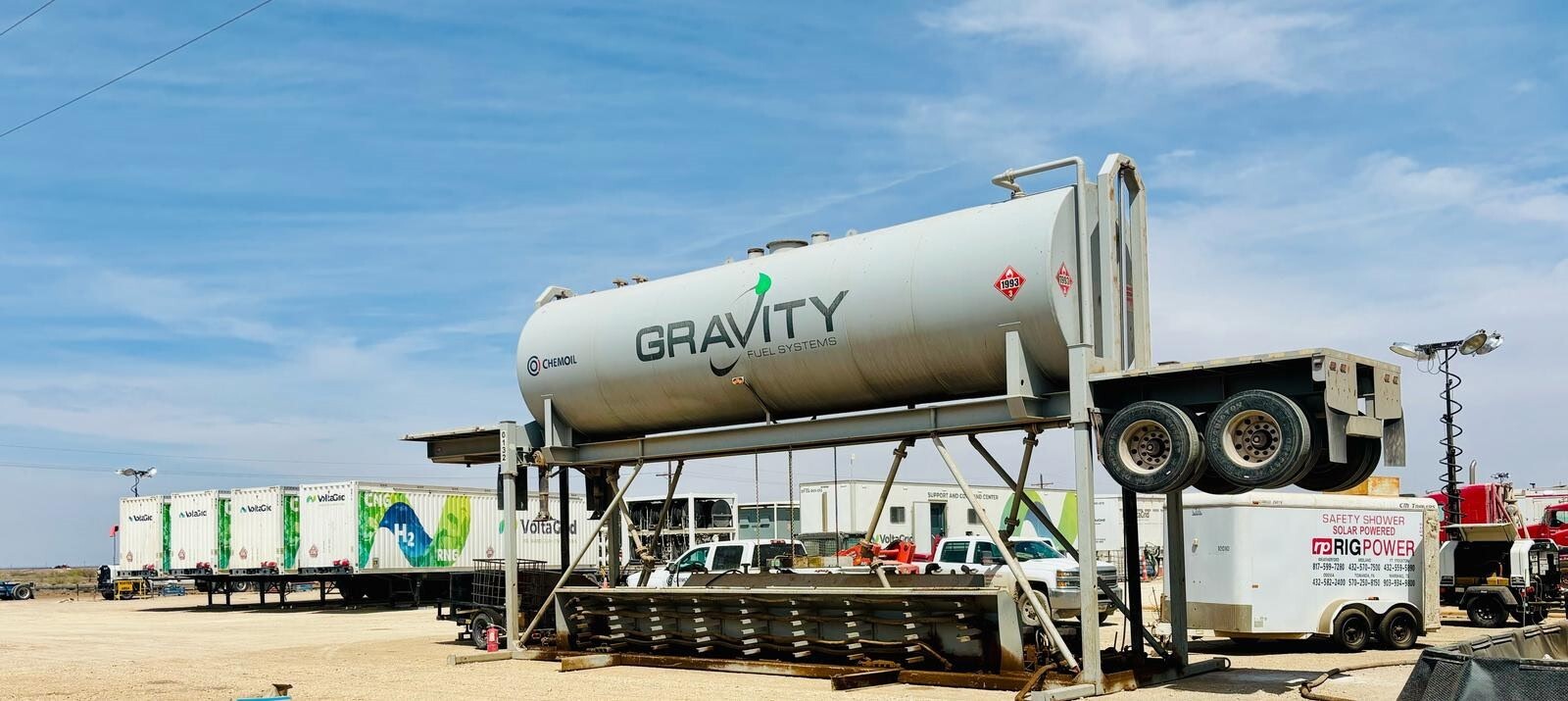
One Gravity Unit Can Do The Work Of Two Competitor Units

Simulfrac operations are growing across major U.S. plays, but many AFS systems require two units to support the job. Gravity is built to handle Simulfrac fueling with a single unit, helping operators avoid unnecessary equipment cost and reduce operational complexity.

For operators running Simulfrac programs, Gravity helps improve pad economics by reducing the number of AFS units required on location.

Key Benefits

  • Single-unit Simulfrac capability
  • Avoid paying for two competitor units
  • Built for high-demand frac equipment counts
  • Supports faster, more efficient pad economics
  • Reduces equipment footprint on location


Resized Tools

Low-Pressure Fuel Delivery By Design

Gravity delivers fuel at approximately 7 PSI, which is well below the pressure levels that can create hose spray and turbocharger fire risk in conventional systems. The double-wall flame shield tank and integrated spill containment reinforce a safety-first system architecture.

Gravity is not a pump-based AFS with safety features added later. It is a fundamentally different fueling system built around low-pressure, gravity-fed delivery.

Key Benefits

  • Approximately 7 PSI fuel delivery
  • Helps reduce hose spray risk
  • Helps reduce turbocharger fire risk
  • Double-wall flame shield tank
  • Integrated spill containment
  • Safety-first system architecture


Gravity-in-Mountains-Pic_v2

A Field-Proven AFS Built For Demanding Frac Operations

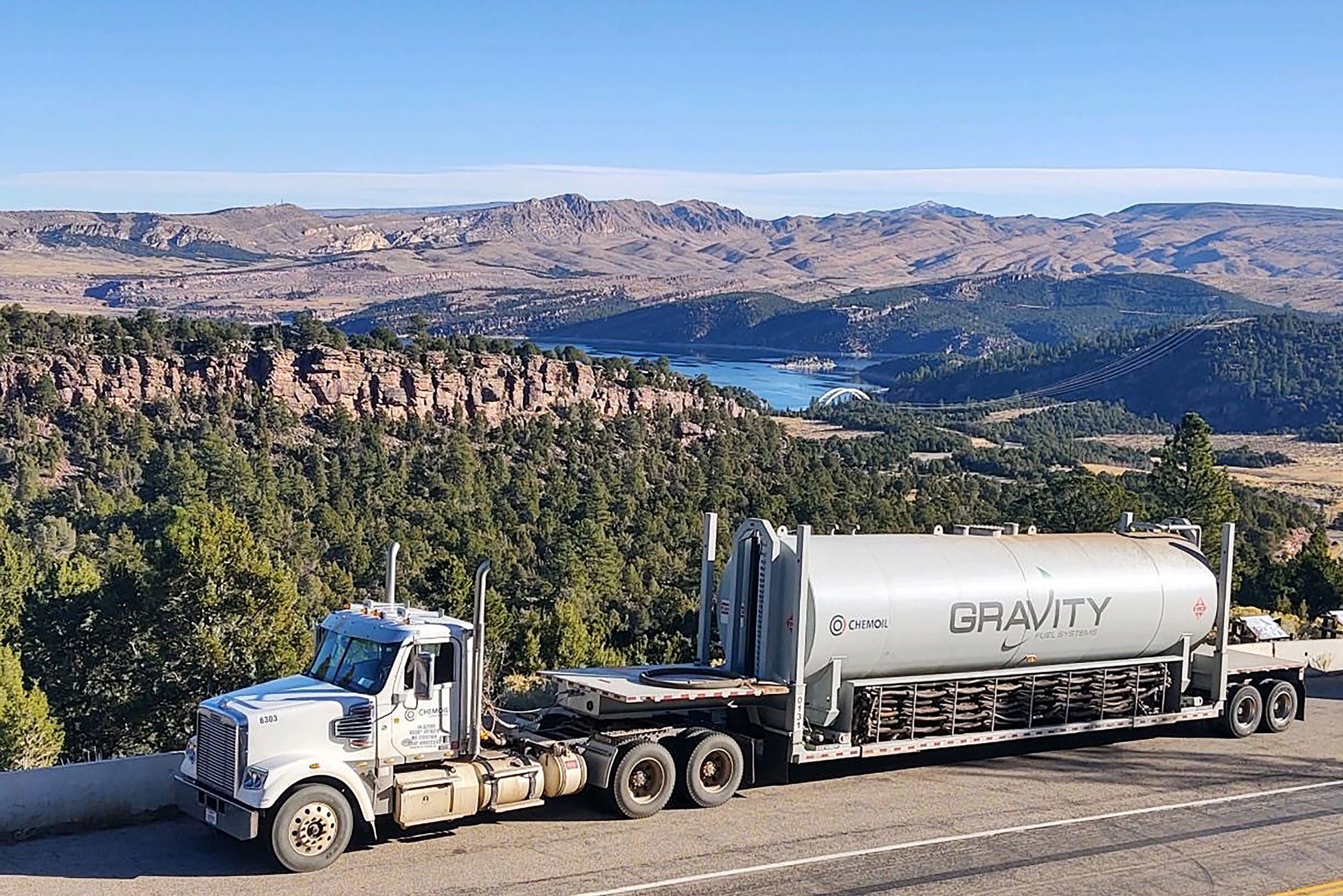
Gravity has proven itself across demanding operating environments, including more than six years of SOLO operation in the Middle East with zero on-site technician support. Fewer moving parts, simpler rig-up, and lower maintenance needs make Gravity a practical choice for operators who need reliable fueling without added operational drag.

Key Benefits

  • 6+ years proven SOLO operation
  • No continuous on-site technician required
  • Rig-up in under 2 hours
  • Fewer moving parts
  • Built for U.S. unconventional plays and international operations
  • Designed to reduce service calls and fueling interruptions


Built For The Way Operators Evaluate Fueling Systems

Gravity supports both operational and procurement review with the technical and financial information decision-makers need to evaluate AFS options.


Evaluation Tools

  • Technical Spec Sheet
  • Total Cost Analysis
  • Model Recommendation Review
  • Projected Monthly Savings Review
  • Pad-Level Cost Calculator

    Use Gravity’s cost analysis and technical documentation to compare system architecture, day-rate exposure, technician requirements, and projected monthly savings against conventional AFS options.


Estimate Your Monthly Fueling Savings

Use the Gravity cost calculator to estimate projected monthly savings based on your pad configuration, frac schedule, and current AFS setup.

Gravity Fuel System

Calculate Your SOLO Savings

See exactly how much you'll save by switching to the Gravity SOLO model — no technician required, no inflated day rates.
Savings calculator inputs
Pads currently running frac operations
Your current cost per pad, per day (US dollars)
Gravity SOLO: $950–$1,150 per day
Typical active days per month per pad

Your Estimated Savings

Monthly Savings
$0
per month across all pads
Annual Savings
$0
total annual impact
Savings Per Pad
$0
per pad, per month

Monthly Cost Comparison

Current AFS Cost
Gravity SOLO Cost


Get Started

Ready To Cut Fuel System Costs?

Talk to a Gravity team member about your operation. We will review your pad setup, fueling requirements, Simulfrac needs, and projected monthly savings.